


 10.09.2025





Buying a ready-made company in Singapore is a hands-on way for foreign investors to step straight into one of the world’s most predictable and stable economies. It skips the long setup routines and endless approval queues, letting you focus on running the business right away.
A shelf company in Singapore usually comes with practical perks — an existing bank account, a verified legal address, and a built management structure. This option suits entrepreneurs aiming to go global and join international production or supply chains.
Still, not every company on the market will fit your needs. Some may carry hidden tax issues, unclear licenses, or a messy corporate record. That’s why buying a ready-made business in Singapore always involves a full legal check and guided support through every stage of the deal.
This article breaks down the essentials: how to choose the right structure, what to check in terms of taxes and licenses, and how to fairly assess the value of the assets you’re about to take over.
Why Singapore’s Ready-Made Companies Keep Drawing Global Investors
Singapore has long secured its place as one of the world’s business capitals. Buying a company here means instant access to a predictable legal system, clear business rules, and a strong banking network. For many foreign investors, it’s not just a doorway into Asia but also a base for expanding to other regions. A Singapore company also opens faster access to local credit products and payment tools.
This option attracts both small firms and large multinationals. Being able to start operations right away—without waiting for registration or licenses—saves time and money. That’s why ready-made businesses in Singapore are especially popular in trade, logistics, IT, and financial services, where market entry speed can decide success. Having an established framework helps organize workflows and close the first deals much sooner.
Some buyers look for companies with a verified operational history and active client relations. These usually face fewer problems with banks and enjoy stronger partner trust. Others choose firms with existing licenses—important for regulated fields such as finance or import/export.
The main advantage of Singapore’s system is speed. If all legal and financial records are in order, ownership can transfer in just a few days. In sectors where licenses are vital, like financial intermediation or export operations, a pre-licensed company in Singapore is particularly valuable.
The local market offers a wide range of options—from companies with almost no history to those with assets, contracts, and running operations. For some, it’s a way to scale an existing project. For others, it’s a quick launch pad. But in every case, evaluation should go beyond surface data: both current performance and possible legal or tax risks need a close look.
Sometimes, buying a company with an already active bank account is the most practical route. It skips the tedious initial compliance screening, though it’s still essential to verify that all funds are legitimate and unrestricted.
In the end, such a purchase is not only about money—it’s about long-term strategy. The quality of this decision will shape how efficiently the business performs later. That’s why acquiring a ready-made company in Singapore always calls for careful preparation and professional guidance.
Singapore’s Hidden Shortcut: The Real Story Behind Buying a Company That’s Already Alive
Singapore’s market of registered firms is anything but uniform. Before signing anything, a buyer has to look past the numbers and see what’s underneath — how the company is built, what kind of licenses it carries, and whether its past leaves a clean trail. A careful investor always checks who manages it, what permits are still valid, and what kind of reputation the business has earned.
One of the simplest starting points is a shelf company — a legal entity created but never used. The charm of this option lies in its immediacy: you can start working the moment the papers switch hands. Still, for certain industries, you’ll need extra permissions and a working bank account, so the compliance documents must be strong enough to pass a bank’s screening.
Then there are firms that already have a track record. They often come with existing operations, trusted partners, and easier relationships with banks. Buying such a company in Singapore gives a newcomer a ready layer of credibility — but it’s crucial to verify that the finances and legal status are spotless.
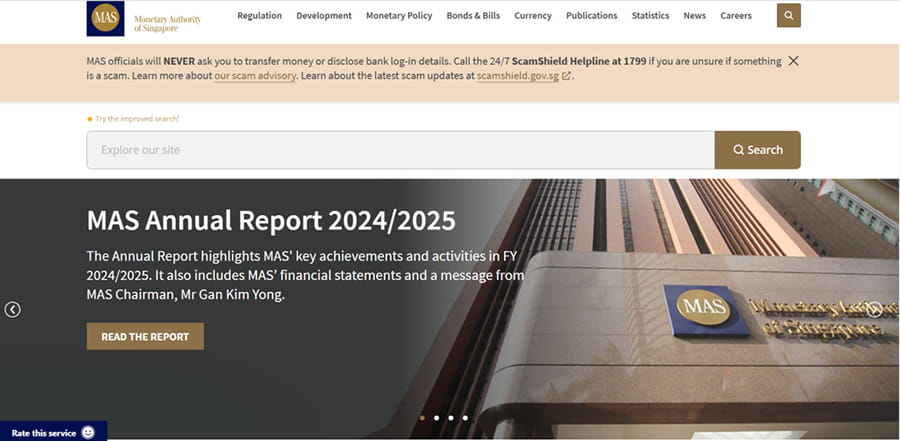
The buyer is responsible for making sure that the target business's official license is still valid and hasn't been affected by any sanctions. That includes looking at the public records of the Monetary Authority of Singapore (MAS) and the Accounting and Corporate Regulatory Authority (ACRA), and if you need more information, asking the regulators directly. International compliance systems and the seller's own files are also used in proper due diligence. The sale agreement normally has written promises that the license is valid and the business is in good standing. These checks are not optional for industries that are regulated; they are necessary for survival.
When the goal is to build a stable base for long-term work, buying a company with assets already in place makes sense. But every item — from property to shares — must be independently valued and confirmed as legally clean. Pledges, debts, and contractual restrictions are analyzed separately.
The final decision depends entirely on the investor’s plan. Those chasing speed tend to choose a ready-to-run setup, while entrants into tightly controlled sectors prefer structures that already hold active permits. To choose wisely, compare the available companies, review entry conditions for your industry, and understand what local banks expect from their clients.
Where to Find a Ready-Made Business in Singapore: From Open Listings to Hidden Deals
For anyone planning to buy a company in Singapore, the first big decision is choosing where to look. The source of the offer will shape not just the final price, but also how clean and secure the deal turns out to be.
One of the most common paths is buying through specialized business brokers. These agencies pre-screen listings and verify legal documents before publishing them, which helps prevent nasty surprises like hidden debts or unsettled claims.
Another safe route is working with consulting firms that handle end-to-end transactions. They pick suitable options based on the buyer’s goals, manage all legal paperwork, and make sure every stage meets Singapore’s strict compliance standards.
If your focus is on a particular field, online business platforms can help narrow things down. They let you filter offers by license type, registration year, or whether the company already has a bank account.
There’s also a quieter side to the market — off-market listings, available only to insiders and industry advisors. These aren’t published anywhere publicly, and access usually comes through business networks or professional contacts.
In some cases, ready-made companies in Singapore are sold through M&A structures (mergers and acquisitions). This approach involves a deeper document review following international M&A procedures, ensuring every legal and financial detail is transparent.
Buying through intermediaries is generally safer than dealing directly with the current owner — especially when the business operates under specific licenses or in regulated sectors.
Here’s a compact view of the main search channels and what each offers:
|
Source |
Features |
Advantages |
Drawbacks |
|
Business brokers |
Work with verified listings and existing company portfolios |
Legal screening, quick market access |
Service commission applies |
|
Consulting firms |
Personalized selection, full transaction support |
Minimized risks, complete assistance |
Higher service cost |
|
Online platforms |
Broad selection with filters by type and license |
Transparent data, open access |
No absolute guarantee of clean history |
|
Off-market deals |
Accessible only via personal contacts or recommendations |
Unique, often high-value companies |
Limited availability |
|
M&A structures |
Transactions follow merger and acquisition standards |
Comprehensive legal audit, structured process |
Longer approval timelines |
The smartest investors don’t stick to one source. To spot the best ready-made business in Singapore — whether public or private — it’s worth combining several channels and cross-checking every lead.
Due Diligence in Singapore: The Legal Reality Check Before You Buy
Before buying any ready-made company in Singapore, there’s one rule that never bends — do the legal check first. Without a full document review, it’s impossible to see the company’s true condition or protect yourself from unpleasant surprises later on.
A standard due diligence process in Singapore takes place before signing any share-transfer or asset-purchase agreement. It covers three main layers: financial, tax, and legal. The goal is to confirm that all reports are accurate, tax benefits are lawfully applied, and the business fully complies with local regulations. When the purchase involves a licensed company or one with a bank account, the level of scrutiny must rise sharply — transparency becomes non-negotiable.
Skipping this audit is a classic trap. Many buyers discover debts, court cases, or expired permits after the deal closes — problems that bring extra costs and slow down integration. A proper legal review in Singapore should go beyond the numbers: it also checks how the company is seen in the market and among key partners.
Before doing business with a company that has a bank account, make sure that all of the money comes from legal sources. If it doesn't, the bank accounts could get frozen. It is also important to keep an eye on the money of beneficial owners to make sure they follow rules against money laundering (AML) and funding terrorists (CFT). There are also tax records that are important. Any late payments or fines go straight to the new owner.
A full legal audit before acquisition examines every part of the company’s structure and helps uncover hidden issues early. The legal due diligence must include the validity of licenses, key contracts, and board decisions.
If you’re wondering how to properly check a company in Singapore, here’s what the process usually includes:
Main checkpoints before buying:
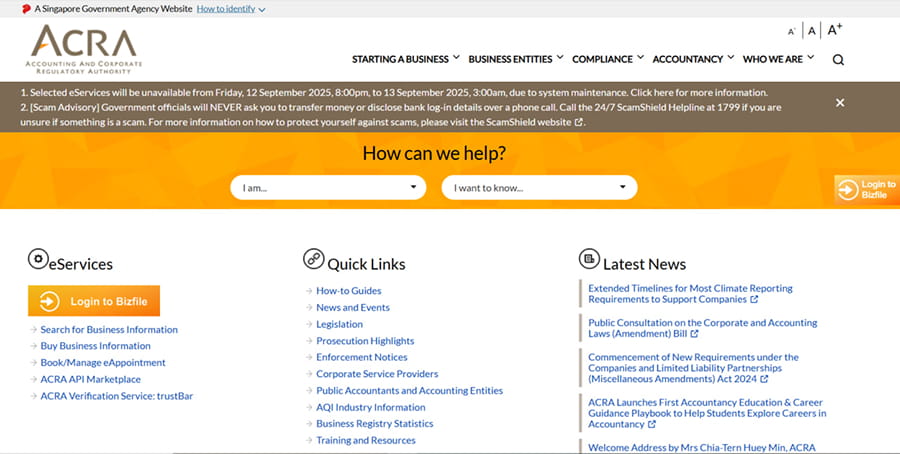
- An updated extract from the ACRA registry showing current company data
- Proof of valid licenses and their expiry dates
- Financial statements for the last three to five years
- Information on any ongoing or past court and arbitration cases
- Tax records and any history of audits or disputes
- A list of current contracts and obligations
- Corporate history, including directors, shareholders, and share capital changes
Once this review is complete, the buyer gets a full picture of the company’s real state — enough to make an informed decision about whether to proceed or walk away.
Step by Step: How a Company Purchase in Singapore Actually Works
A well-planned handover process keeps both parties safe and prevents legal disputes later. In Singapore, every stage of buying a business follows a fixed structure — each action must be backed by the right documents. Anyone preparing to buy a ready-made company should discuss the full procedure with a lawyer in advance and prepare all required paperwork.
The process usually unfolds in several stages:
At the start, the buyer selects a business structure that fits their goals — from a small local firm to a large commercial entity. It’s important to decide whether the company will be bought with or without a license, since for some industries holding specific permits is essential.
The parties outline the basic terms of the upcoming deal in a written letter of intent. Though often non-binding, it helps fix early agreements and define how to buy the company with minimal risk.
Before any purchase, a full due diligence check is carried out. This legal and financial audit identifies risks and confirms that all information provided is accurate. The review covers accounting reports, tax history, existing contracts, and company assets. If the business has licenses, their validity and renewal procedures are verified.
Once due diligence is complete, both sides move to the main contract. The sale and purchase agreement in Singapore must clearly state the price, payment mechanism, and terms of transferring corporate rights.
After signing, ownership passes to the buyer. The change of control is registered in ACRA’s official database, and company statutes and corporate records are updated accordingly.
At closing, the buyer receives the full document package, and the transaction is reported to banks and regulators. In some cases, additional registration with tax or sector-specific authorities is required to finalize the transfer.
After these steps, the investor becomes the lawful owner of a functioning Singapore business and can begin operations immediately. This structure is ideal when a quick start and a clear division of roles are priorities. For complex deals involving licenses or major assets, another approach can be used — a gradual share transfer, where part of the company is bought first and the rest later. This model is often chosen for turnkey or partnership-based acquisitions.
The entire process must comply with Singapore’s corporate law. Proper re-registration confirms the change of control and prevents problems with banks or state bodies. Even for simplified transactions, working with a qualified consultant remains essential.
Licenses and Bank Accounts After Buying a Business in Singapore: What Happens Next
Once the deal is closed, the new owner must decide how to manage the company’s licenses and bank accounts. In some cases, the existing licenses of a ready-made company in Singapore automatically pass to the new owner — but only if the business activity and director structure remain unchanged. If control shifts to new hands, regulators may require a full re-registration of the permits.
When the goal is to buy a company in Singapore with an existing bank account, it’s essential to remember that financial institutions are legally required to perform a new KYC (Know Your Customer) check on the incoming owner. If the buyer fails to meet the bank’s compliance standards, the account can be frozen or even closed.
If the purchase includes a company with an active account, the bank will review the origin of funds, transaction history, and whether the business activities match the declared purpose. This isn’t bureaucracy for its own sake — it’s a protective measure to keep Singapore’s financial system secure and trustworthy.
A company that already has a functioning Singaporean bank account is especially valuable for businesses planning to expand abroad. Such a setup offers immediate access to payment infrastructure and shortens the timeline for first transactions. However, it’s crucial that the company’s reputation is spotless and that it’s not under investigation or flagged by authorities.
When control shifts, companies that work in regulated areas have to follow certain restrictions. In Singapore, each industry has its own way of reissuing business licenses, which usually includes talking to the right authorities. Anyone who wants to buy a licensed business should check ahead of time to be sure that the license may be transferred, how long it will take, and what the buyer would have to do.
When buying a licensed Singapore business, cost isn’t the only factor — timing matters just as much. Proper document preparation and early communication with the company’s banks can significantly reduce delays and ensure a smooth operational start.
After the Deal: The Tax Story No One Mentions in Singapore
Buying a company in Singapore feels clean on paper — you sign, pay, and own. But the moment you take control, you also step into its tax shoes. The firm doesn’t magically reset; all the obligations that once belonged to the previous owner quietly move to you. Reports must keep flowing to the authorities, payments have to reach the budget on time, and the calendar of filings never pauses.
The tax rate for corporate profit here is seventeen percent, but the city-state rewards new and small ventures with lighter treatment. The first hundred thousand Singapore dollars of annual profit can escape taxation altogether, and the next part is charged at a reduced rate. It’s Singapore’s way of keeping entrepreneurship alive rather than buried in red tape.
Changing ownership itself doesn’t trigger a new corporate tax, yet a few financial ripples appear along the way — for example, the stamp duty payable when shares are transferred. It’s a small administrative toll, but still something to plan for.
When profit is calculated, businesses can use standard deductions and reliefs that the law allows. Then comes the value-added layer — the Goods and Services Tax, or GST, which now stands at nine percent. Almost every transaction in Singapore falls under it, except for a short list of exempted ones. Before signing a purchase agreement, the buyer should double-check that the company has no unpaid GST or corporate taxes, because those debts don’t stay behind — they follow the entity, and thus, you.
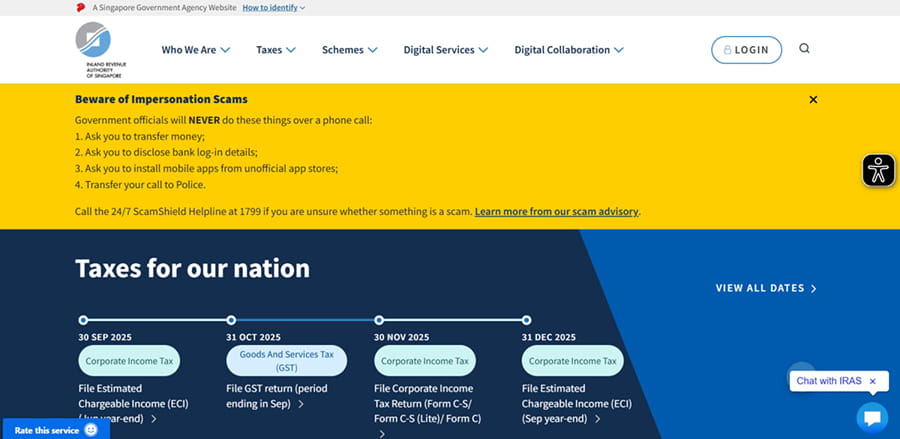
Every year, companies must report to the Inland Revenue Authority of Singapore, better known as IRAS. If the business enjoyed special tax incentives in the past, the new owner has to prove it still qualifies; otherwise, the privileges vanish quietly after the transfer. Alongside income and GST duties, there are smaller, steady obligations like withholding tax on certain payments to non-residents and monthly contributions to the Central Provident Fund for local employees.
Before the ink dries on the deal, running a financial check centered on tax history is simply smart. It reveals hidden arrears before they become your burden. And even if the firm’s books look spotless, confirming the data directly with IRAS ensures that the “clean” record is more than just a promise in a folder.
How Much Does It Really Cost to Buy a Company in Singapore
Singapore’s market of ready-made companies has its own rhythm: prices differ sharply depending on what kind of business you’re buying and what comes with it. The simplest shelf company — one that exists only on paper and has never traded — usually starts around SGD 4,000, or roughly USD 3,000 / EUR 2,750. A working structure that already holds permits or active contracts can be several times more expensive.
The price of any ready-made firm depends on a combination of things: how long it has existed, whether it owns assets or licenses, if it maintains a bank account, and how stable its financial history looks. The better the reputation and clearer the records, the higher the figure.
Companies that already hold rare approvals — such as logistics or financial-service licenses — tend to cost significantly more. These permissions cut months of paperwork and allow the buyer to start operating almost immediately. When estimating total costs, investors should add legal fees, stamp duties, and possible restructuring expenses to the purchase amount.
The company’s founding year, debt level, tax compliance, and internal structure shape the valuation the most. To understand the fair price, analysts usually use three approaches: reviewing net assets, assessing projected income, and comparing with similar recent deals on the market.
The timing of the transaction can also sway the number. Offers that must close quickly often come at a discount, while well-documented, carefully prepared sales are priced higher. Even when aiming for the lowest price, a full audit of the firm’s accounts and liabilities is essential before signing anything.
Owning an already licensed or banked company in Singapore means paying more, but it also means you can step into business activity without delay. A functioning account or regulatory approval instantly raises the value because it gives access to payment systems and client operations.
|
Parameter |
Estimated price range (SGD) |
|
Year of incorporation |
4,000 – 15,000 |
|
Licenses |
10,000 – 50,000 |
|
Bank account |
+2,000 – 5,000 added to base |
|
Assets |
Based on independent valuation |
|
Operating turnover or contracts |
Calculated case-by-case |
|
Business reputation |
Reflected indirectly in price |
|
Deal urgency |
Negotiated individually |
Before making any decision, it’s worth comparing not just the price but also what stands behind it — how reliable the company is, whether its papers are clean, and if its structure actually fits your long-term plans. The cheapest purchase is rarely the smartest investment in Singapore’s disciplined regulatory environment.
Why Legal Support Is the Backbone of Buying a Company in Singapore
Having professional legal guidance during the purchase of a ready-made company in Singapore isn’t a formality — it’s the factor that determines how cleanly the deal will close. A full legal escort through the process protects the buyer from hidden liabilities such as unpaid taxes, expired licenses, or overlooked debts. Without that layer of control, even a well-priced company can turn into an expensive mistake.
When an investor plans to buy an existing company, a qualified consultant starts with a compliance check. This involves reviewing the firm’s constitutional documents, examining the corporate registers, and identifying inconsistencies long before the sale agreement is signed. The step is crucial if the company operates in a regulated sector where missing or outdated approvals can block operations entirely.
Legal assistance during such transactions goes far beyond reading contracts. A proper advisory team analyzes the ownership structure, inspects financial statements, and coordinates the deal’s parameters with banks and regulatory bodies. Lawyers take over the communication with sellers, negotiate on behalf of the client, and draft the legal instruments required for the transfer. They make sure every action stays aligned with Singapore’s corporate legislation.
Professional involvement also keeps the process confidential and greatly reduces the chance of the deal being challenged later. If issues arise, lawyers can represent the client before government agencies or financial institutions, ensuring that the buyer’s position remains protected at every stage. Even those who find the company independently benefit from a final review by a legal expert, who checks whether the contract contains clauses that might create problems in the future administration of the firm.
Many investors request assistance when acquiring licensed companies or entities with significant assets. In such cases, the legal service package doesn’t end with the purchase — it also covers the post-transaction adjustments to the company’s internal structure. For large-scale projects, the experience of consultants in handling mergers and acquisitions in Singapore becomes indispensable, since these operations require both discipline and precise timing.
Comprehensive legal support ensures that every part of the process is verified: the company’s legal standing, its tax file, and the compliance of all permits. It also guarantees that contract terms are clear, that licensing and banking questions are properly addressed, and that negotiations with the seller and authorities are carried out on solid legal ground. This approach minimizes both legal and financial risk, shields the buyer’s interests, and raises the chances of launching operations in Singapore quickly and without disruption.
Conclusion: A Smart Shortcut That Still Demands Precision
Buying a ready-made company in Singapore is a calculated business move. It lets an investor enter the market quickly, avoid long registration routines, and gain instant access to a functioning corporate setup. Yet speed should never replace preparation. Every such purchase demands a full review of documents, finances, and legal standing.
The deal becomes especially valuable when the company already holds the right licenses, has an active bank account, and maintains a solid reputation among partners. Still, skipping the review of its tax position, founding documents, or compliance status can expose the buyer to unnecessary risk — from hidden debts to regulatory disputes.
For anyone planning to acquire a working Singapore firm and start operations immediately, involving professional lawyers and specialized consultants is the most practical choice. Experienced advisors will run a complete legal audit, assess the financial health of the business, and ensure that the transfer of ownership and assets is carried out smoothly and in full accordance with Singaporean law.
